

There are five ways to date a roof and you can usually get an answer from one of them in an afternoon: the municipal permit record, the seller’s disclosure from when you bought, a shingle wrapper or a chalk date left in the attic, dated satellite imagery, and the condition of the roof itself read by someone who knows what they are looking at. This article goes through all five, including why the permit record so often does not exist in New Jersey.
But is it important to know the age of your roof? The short answer is yes. Knowing your roof’s age can save you from a variety of problems down the road. If you don’t know how old your roof is, now is the time to find out. Regardless of its age, contact a local roofing contractor in New Jersey when it’s time for a professional roof inspection, replacement, or maintenance.
The municipal construction office is the first place to try, and in New Jersey it is worth knowing why it often comes up empty: under N.J.A.C. 5:23-2.7(c)1x, replacing the roof covering on a detached one- or two-family house counts as ordinary maintenance, so no permit is required and no record exists. Attached homes – townhouses and condominiums – do need a permit, so for those the record should be there. A local roofer who has worked the street is often the better source either way.

Why Do I Need to Know the Age of My Roof?
Unless you have designed and built your home from scratch, you will need to investigate the age of your roof. Knowing your roof’s age can help you plan for its replacement, anticipate potential problems, and take preventive measures to extend its lifespan.
It Helps Anticipating Repairs
It needs no saying that an older roof requires more maintenance and repairs than a brand-new roof. Knowing how old your roof is can help you anticipate and budget for issues that are likely to occur in the near future. After scheduling a roof inspection, you can discuss potential issues with the roofing contractor, allowing you to prepare for future repairs.
It Affects Your House Insurance
A common practice in the insurance industry is to mandate a professional roof inspection once your roof reaches a certain age. Why does it happen? Because the inspection results may determine if the insurance company wants to adjust or cancel your policy. If you know the age of your roof, you can make necessary professional roof repairs and upgrades to prevent the insurance company from canceling your policy.
It Prepares You for the Next Storm
During the winter season, your house faces the threat of heavy damage if your area is prone to extreme weather conditions such as heavy rain, hailstorms, strong winds, hurricanes etc. Knowing the age of your roof can help you reinforce the roof system, minimizing the impact of bad weather. It might also occur that during an inspection you discover that you need a full roof replacement service to ensure your home’s protection.
It’s Helpful to Your Roof Contractor
Similarly to when an auto mechanic asks for your car’s year to get the right parts and make accurate repairs, knowing the age of your roof gives your contractor a good idea of how to maintain and upgrade it. This information helps the contractor perform an accurate roof inspection, identifying small issues before they become major problems.
What Is the Average Lifespan of a Roof?
Knowing the age of your roof isn’t helpful if you don’t know how long a roof is supposed to last! Different roofing materials have different average lifespans. Here are some of the most common ones:
- Asphalt Shingles: Most homes in the USA use asphalt shingles for their roofing. They are easy to install and relatively affordable but have a shorter lifespan, typically lasting 15-20 years.
- Cedar Shakes: Cedar shakes are a beautiful and natural roofing material that can last around 30 years.
- Metal: Increasingly popular among homeowners, metal roofs are durable and can last 50+ years with proper maintenance.
- Slate: Slate is one of the oldest known roofing materials and can last over 100 years, often referred to as a “forever roof.” However, it is significantly more expensive and requires specialized installation.
- Clay: Common in southern states, clay roofs are highly durable and can last 50-100 years.
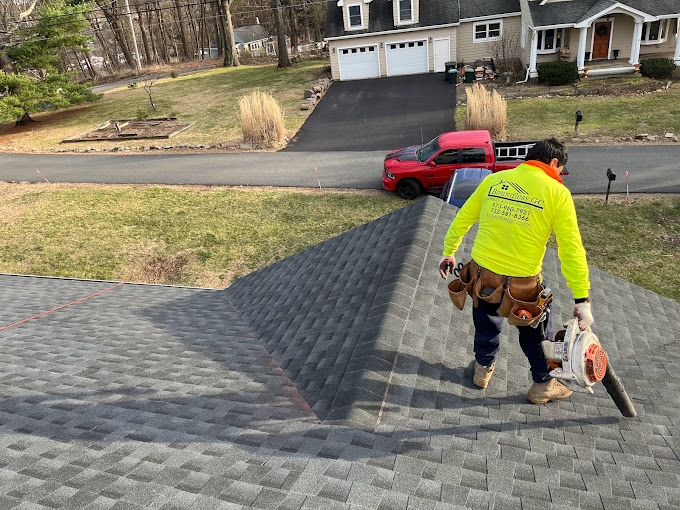
Assessing the Age of Your Roof
If you haven’t designed and built your home from scratch, sooner or later you will need to investigate the age of your roof. Knowing its age can help you plan for replacement and anticipate potential problems. Here are a few ways to find out the age of your roof:
Ask the Previous Owners
Once you have moved into your new house, don’t cut off all contact with the previous owners. Most homeowners don’t mind answering questions about the state of the house, including when the roof was last replaced. If the previous owners lived in the house for a long time, they most likely know when the current roof was installed or when it received the last repair.
Find the Building Permit
Check if your county requires a building permit for roof installations. If it does, contact the county government to request a copy of the permit. This document will contain the exact date the roof was installed and is one of the most accurate sources of information.
Get the Receipt from the Roof Replacement Company
The previous owners may remember the roofing company that replaced the roof, but they might have discarded their copy of the receipt. If you have the company’s name, contact them and ask for a copy of the receipt or request that the previous owners do so. Roof installation companies tend to keep records of all their work for a long time.
Get an Inspection from a Roofing Company
If all else fails, schedule a roof inspection from a reliable roofing contractor to evaluate the roof’s condition and estimate its age. Roofing contractors are trained to identify signs of advanced age and can provide a reliable assessment.
Signs of an Aging Roof
As your roof ages, it will show signs of wear and tear from years of exposure to the weather elements. Recognizing these signs can help you determine if your roof needs immediate repair, upgrades or a full replacement. Here are some of the most obvious signs of an aging roof:
Curling Roof Shingles
Common in asphalt shingles, curling or buckling indicates that your roof is nearing its expected lifespan of 15 years. Curling shingles can also signify improper installation or poor attic ventilation, causing trapped heat to affect the shingles.
Missing or Damaged Shingles
Severe storms, high winds or falling debris can immediately damage or remove shingles from your roof. However, wear and tear can cause the same effect as your roof ages. Missing shingles leave your home vulnerable to leaks and structural damages. Make sure to inspect your attic for signs of major leaks or water damage if you notice this issue.
Rusted Flashing
Flashing prevents leaks on your roof, but it’s also the component most likely needing replacement before your roof’s lifespan is up. Cracked, damaged, or rusted flashing indicates an older roof and requires inspection and possible replacement.
Moss or Algae on the Roof
Moss and algae growth can indicate that your roof is not functioning efficiently. These organisms hold onto moisture, which can separate the shingles and create entry points for water. Contact a professional to remove moss or algae if you notice this problem.
Rusted or Exposed Nails
Exposed nails suggest that your shingles are loosening, which can happen over time due to exposure to the elements. Rusted nails can loosen further, increasing the risk of water leaks. Address this issue promptly and schedule a roof repair before it turns into a full replacement.
Damaged Roof Valleys
Roof valleys direct water runoff to your gutters and downspouts. Over time, valleys can lose integrity as shingles shift or come loose. If debris collects in your roof valleys, it’s a sign of damage that needs attention.
Missing Granules
The granules on your shingles protect the tar underneath from UV rays and moisture. Excessive granule loss exposes your roof to the elements, reducing its performance and indicating the need for a new roof.
Trending in the Neighborhood
If many of your neighbors are replacing their roofs, it might be time for you to consider the same. Neighborhoods are often built around the same time and face the same weather conditions, so your roof could be the same age as those being replaced.

Are You Looking Into Getting a Roof Inspection? Consult a Roofing Professional
Roof replacement and installation is a complex job that should not be taken on by DIY enthusiasts. The primary purpose of a roof is to protect your home from the elements, and improper installation can cause long-term problems. Consulting with a roofing contractor can give you the peace of mind that your roof is being taken care of by professionals who care.
By understanding the age of your roof and recognizing signs of aging, you can make informed decisions about roof maintenance and roof replacement, ensuring your home remains protected and structurally sound. Get a professional roof inspection from a reliable roofing contractor and avoid potential headaches.
If none of the five gives you an answer, the roof itself will. We read granule loss, tab curl, the state of the pipe boots and the flashing, how many layers are on the deck and what the underside looks like from the attic, and tell you how much life is realistically left – in writing, as a roof inspection. Boundless GC LLC has roofed New Jersey homes since 2012 and holds New Jersey Home Improvement Contractor registration #13VH10877700, which anyone can look up on the state licence register. We are a GAF Certified Contractor and an Owens Corning Preferred Contractor, BBB Accredited with an A+ rating, and carry general liability insurance at $1,000,000 per occurrence and $2,000,000 aggregate; the certificate goes out before work starts if you ask for it. We work out of 9 Stony Brook Road in Rockaway and a second office in Flanders, and 973-960-7921 is answered 24 hours a day, every day.


