

On most New Jersey houses a roof replacement is a one-day job: the crew arrives early, the old roof comes off, the new one goes on and the site is cleared the same evening. Two days is normal on a steep roof, a large roof, a cut-up roof with several dormers and valleys, or when the deck turns out to need work. What follows is what decides which of those yours is, and what happens hour by hour on the day.
The honest variables are these: the square footage and the pitch, how many layers are coming off, how many valleys, dormers, skylights and chimneys break up the planes, how far the dumpster can get from the house, the weather, and whether the deck underneath is sound. A 1,400-square-foot ranch in Randolph and a 1910 Hapgood house in Mountain Lakes with four dormers are not the same day’s work even at the same square footage.
The time required to replace a roof can vary depending on several factors, including the size of your roof, the type of roofing materials you choose, and the prevailing weather conditions. Many homeowners ask: “How long does it take to replace a roof?”. In this article we will provide a broad understanding of the whole process and discuss everything that affects the average roof replacement timeline.
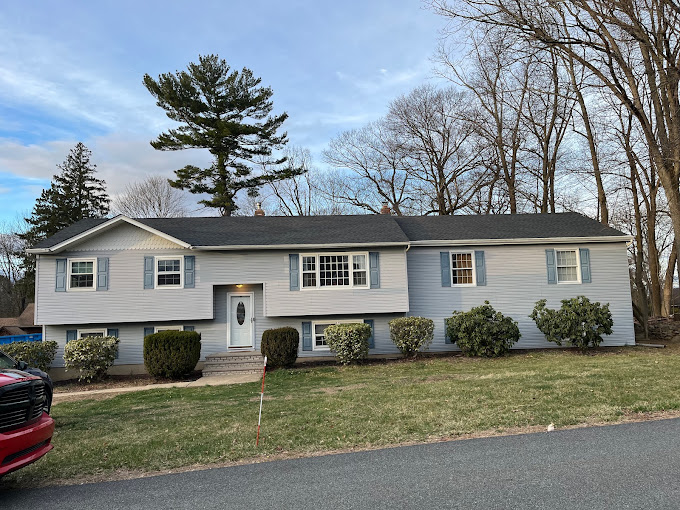
7 Factors That Determine Roof Replacement Time
Several factors influence the time it takes to replace a roof. Here are some of the most important elements to consider:
Weather Conditions
Weather conditions play a significant role in determining how long it will take to replace a roof. Cold weather can add steps and time to the process. Additionally, it is highly recommended not to replace roofing during rain or snow, as these conditions can make the job hazardous and extend the project’s duration. Cold weather can also affect how asphalt shingles stick and seal.
It is recommended that extra care should be taken when handling and installing asphalt shingles when the air and surface temperatures are at or below 40 degrees Fahrenheit.” Furthermore, snow-covered, wet, or icy roofs pose safety risks for roofing crews. Unless it is an emergency, take into consideration weather conditions before you decide and prepare for a full roof installation.
Roofing Materials
Different roofing materials require different installation methods and timeframes:
- Asphalt Shingles: 1-3 days
- Wooden Shingles: 6-8 days
- Slate Tiles: 6-7 days
- Metal Roofing: 1-3 days
Roofing designs can also impact the installation time. Shingle manufacturers are specific about how shingles should be laid to meet warranty requirements, which can affect the project’s duration. Understand the installation requirements of different roofing materials and take informed decisions before you prepare for a roof installation.
House Size
The size of your house directly affects the time needed for a roof replacement. Replacing the roof of a small one-room cabin will be significantly faster than replacing the roof of a sprawling estate. Larger homes require more time due to the increased surface area.
The Steepness of the Roof
A steep roof that is difficult to walk on or one where materials and tools may slide off will require additional safety equipment for the crew, adding to the time required for installation.
Conversely, a shallow-pitched roof that slows water runoff may need special underlayment to prevent water backups, also increasing installation time. Complex roofing projects with peaks, valleys, chimneys, and skylights require careful navigation and more time to ensure secure installation and an aesthetically pleasing result.
Home’s Historical Significance
Older homes listed as historical landmarks require extra time and care to maintain their historical and structural integrity. These homes may also need special permits, depending on local and homeowner association regulations. This may result in an increased installation timeline.
Roof’s Accessibility
Accessibility can significantly affect the roof replacement timeline. Homes with extensive landscaping, dense urban settings, or close neighboring structures can make it difficult to get equipment in and out. Lack of a paved drive or close parking can also pose challenges.
Structural Damage
If only the shingles need to be replaced, the project can be relatively quick. However, if there is structural damage to the roof deck or other underlying elements, additional roof repairs will extend the project’s duration.
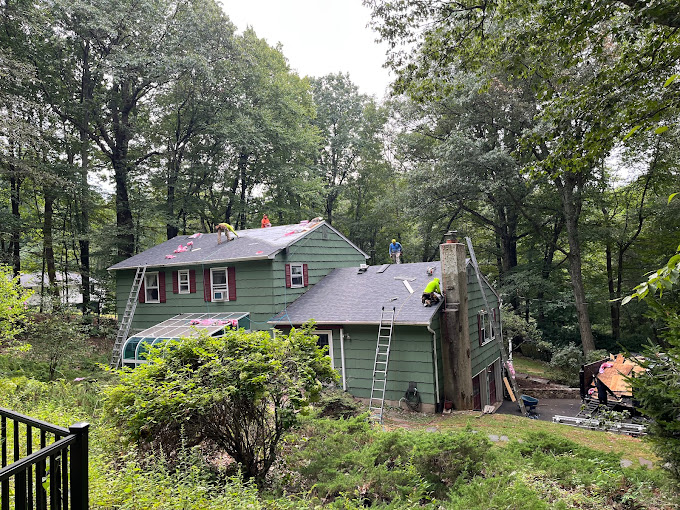
When to Replace Your Roof?
Your roof’s age, condition, and the extent of any damage dictate when it should be replaced. Here are specific warning signs:
- Visible Rot: Rot in the roof’s wood, frame, soffits, or other components indicates that the roof’s exterior materials aren’t keeping out moisture. Rotting wood can weaken the roof’s structure. In these cases you should immediately consult with a roofing contractor before small damages turn into major problems.
- Dark Streaks: Algae growth causes dark streaks, indicating the roof isn’t protecting your home effectively. This can lead to serious damage. Pay close attention to this sign and conduct regular inspections.
- Damaged or Missing Shingles: Cracked, curling, or buckling shingles can no longer keep out moisture. A few damaged shingles may turn into a major problem, as they can damage the structural integrity of your roof. This is why it’s important to replace them promptly.
- Leaks or Water Damage: Frequent leaks signify roof damage. If your gutters are clear but you still have leaks, get a professional inspection as soon as possible. Locating and repairing the breach may save you time and money.
- Sagging Roof: A sagging roof means structural compromise and needs immediate replacement.
- Old Roof: While some roofs last up to 50 years, inspect roofs over 20 years old regularly to catch early signs of damage.
If you’re unsure about your roof’s condition, contact a roofing contractor for a full roof inspection. Getting a professional evaluation from a professional team can give you assurance and peace of mind.
Preparing for Roof Replacement
Although it is an essential element in protecting the quality of our homes, dealing with a roof replacement as a homeowner can be really challenging. The installation process comes with a lot of noise, dust, debris and cars blocking the garage. A roof replacement can take several days, affecting your daily life. Here’s how to prepare:
- Cover or Remove Attic Items: Protect belongings from dust or debris. Remove delicate or valuable items.
- Move Cars and Garage Items: Contractors need access to trucks and tools. Relocate vehicles and items to a safe place.
- Mow the Grass: Short grass makes cleanup easier during and after construction.
- Plan for Noise: If pets or children are sensitive to noise, plan to stay elsewhere during the project.
- Protect Outdoor Furniture: Move grills, patio furniture, and lawn ornaments away from the work zone.
- Take Delicate Items Off Walls: Vibrations from construction can knock items off shelves or walls.
- Warn Neighbors: Inform neighbors about the project duration to help them adjust their schedules.
Average Roof Replacement Timeline by Material
The type of roofing material used affects the replacement timeline. Understanding the characteristics and installation requirements of different roofing materials can help you make informed decisions when choosing the new roofing material.
- Cedar Shakes: 4-6 days. Known for their natural beauty and durability, cedar shakes can last around 30 years.
- Asphalt Shingles: 1-2 days. These are affordable and durable, with a lifespan of 15-30 years.
- Metal Roofing: 4-6 days. Durable and long-lasting, metal roofs can last up to 50 years.
- Clay or Concrete Tiles: 8-9 days. These materials offer excellent protection and can last 30-50 years.
Roof Installation Process
Here is the order the day runs in, so you know what you are looking at from the kitchen window: tarps and plywood down to protect the planting and the driveway, tear-off to the deck, deck inspection and any sheet replacement, drip edge, ice-and-water membrane at the eaves and in the valleys, underlayment, starter course, shingles up the slopes, new flashing at walls and chimney, ridge vent and ridge cap, then a magnet sweep of the whole property.
Tearing Off the Old Roof
This involves removing all old shingles, flashing, underlayment, and nails. Our team will protect your property with tarps, deliver a dumpster for debris, and use wooden boards to shield your garden and AC unit.
Inspecting & Replacing Roof Decking
After tear-off, our team will inspect the roof decking for damage and replace any compromised wood with new plywood or OSB.
Installing Drip Edge
Our team will install a drip edge metal flashing along the roof’s edges to prevent water from seeping under the shingles.
Covering the Roof Decking with Underlayment
Underlayment is the water-resistant layer between the deck and the shingles. We use synthetic rather than felt because it does not tear when the crew walks it and does not wrinkle if it gets wet before the shingles go on. Boundless is a GAF Certified Contractor and an Owens Corning Preferred Contractor, so the underlayment, starter, shingles and ridge come from one system and the manufacturer warranty applies to all of it.
Using a Leak Barrier to Waterproof Valleys
Special leak barriers, such as self-adhesive membranes or metal flashing, will be installed in valleys to prevent water infiltration.
Installing Starter Shingles
Our team will then install starter shingles to provide a secure base for the first row of shingles. Modern starter shingles are designed to lie flat and prevent wind uplift.
Flashing the Walls and Penetrations
Flashing will be installed around walls, chimneys, and vents to prevent water seepage.
Installing the Chosen Shingles
With all protective materials in place, the installation of the main roofing shingles begins. Architectural shingles are the most common today, providing dimension and durability. However, you can decide to use any of the other types of shingles for your roof.
Finishing with Ridge Cap Shingles
Ridge cap shingles cover the roof ridge where two planes meet, providing a finished look and additional protection. At the end, our team will finish the ridge cap shingles to ensure your roof looks perfect as never before.
Cleaning Up
At the end of the installation process, we will remove all debris, clean out gutters, and use magnets to pick up loose nails and debris. Your dedicated project manager will inspect the completed work to ensure quality. In just a matter of days, we will transform your home into a safe and secure fortress for you.
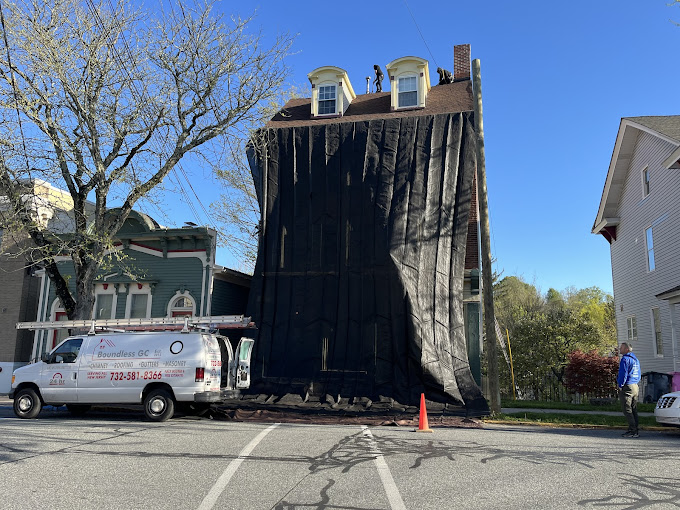
Are You Looking to Install a New Roof?
If you want a date rather than an estimate of a date, call 973-960-7921 and we will come and measure. A roof replacement quote from us is written, itemised and free, and it states how many days we expect to need on your roof.
Boundless GC LLC has roofed New Jersey homes since 2012 – fourteen years – from offices in Rockaway and Flanders, with more than 1,000 projects completed. NJ Home Improvement Contractor Reg. #13VH10877700. GAF Certified, Owens Corning Preferred, BBB Accredited A+. Our Google rating is 5.0 from 99 reviews.


