
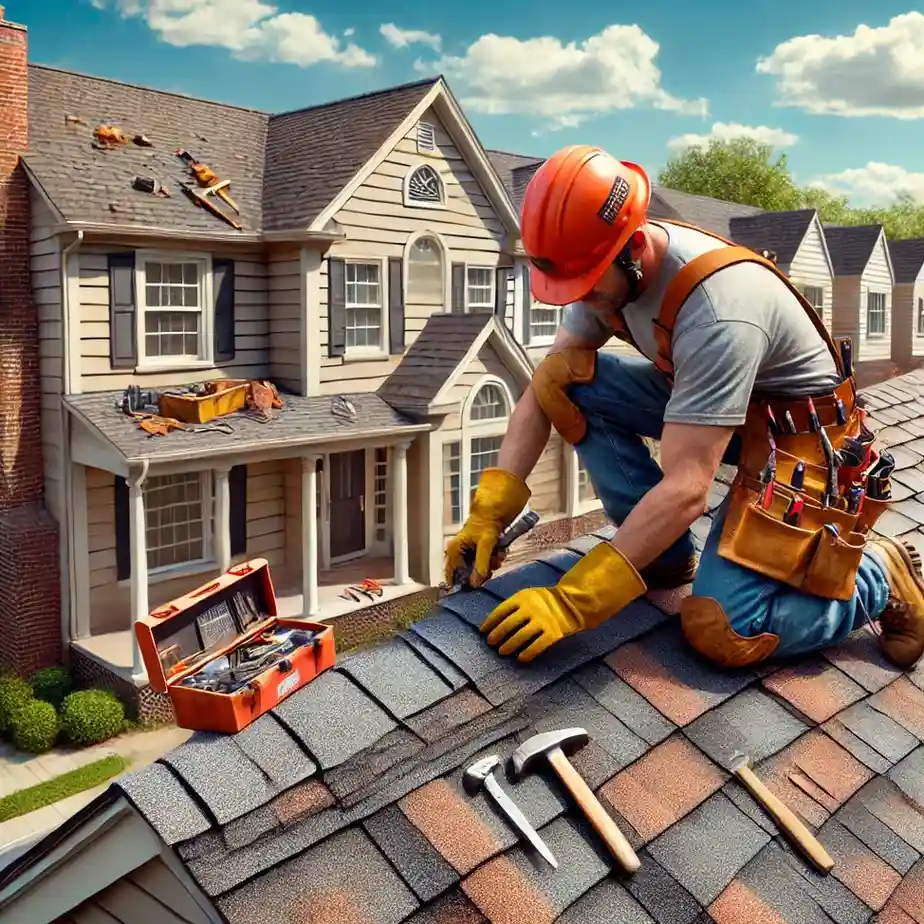
Most roof repairs are a morning’s work. A cracked or missing shingle, a split pipe boot or a blocked valley is one to five hours; chimney reflashing is about half a day; attic ventilation is one to two days; a sagging roof with structural work is longer and needs a proper look first. This article gives the honest time for each of the repairs we are called out for in New Jersey, and what makes any of them take longer.
One number on this page needs correcting before you read the rest: a full roof replacement on a typical New Jersey house is usually one day, not five to seven. Five to seven days is a large, steep or heavily cut-up roof, or one where the deck has to be substantially replaced. Repairs, which is what this article is about, are measured in hours.
Roofs are out of sight and stay out of mind until something drips. The repairs on this page are the ones we are called out for most often in Morris, Bergen, Hudson and Passaic counties, with honest times against each – times for the work itself, not for getting on the schedule.
Most minor repairs take one to five hours of working time. Replacing damaged shingles, sealing a pipe boot, refitting a length of ridge cap or clearing and resealing a valley all sit at the short end. Repairing chimney flashing, tracing a leak whose source is not obvious, or correcting ventilation sit at the long end or run into a second day. The variable that moves all of them is whether the deck underneath turns out to be sound.
The times below assume access is reasonable and the weather holds. What reliably adds hours is a steep pitch, a cut-up roof with several valleys and dormers, and finding that the deck under the repair is soft – which on a roof over 20 years old is common enough that we price for the possibility rather than pretend it away.
Factors to Consider Before Starting a Roof Repair Project
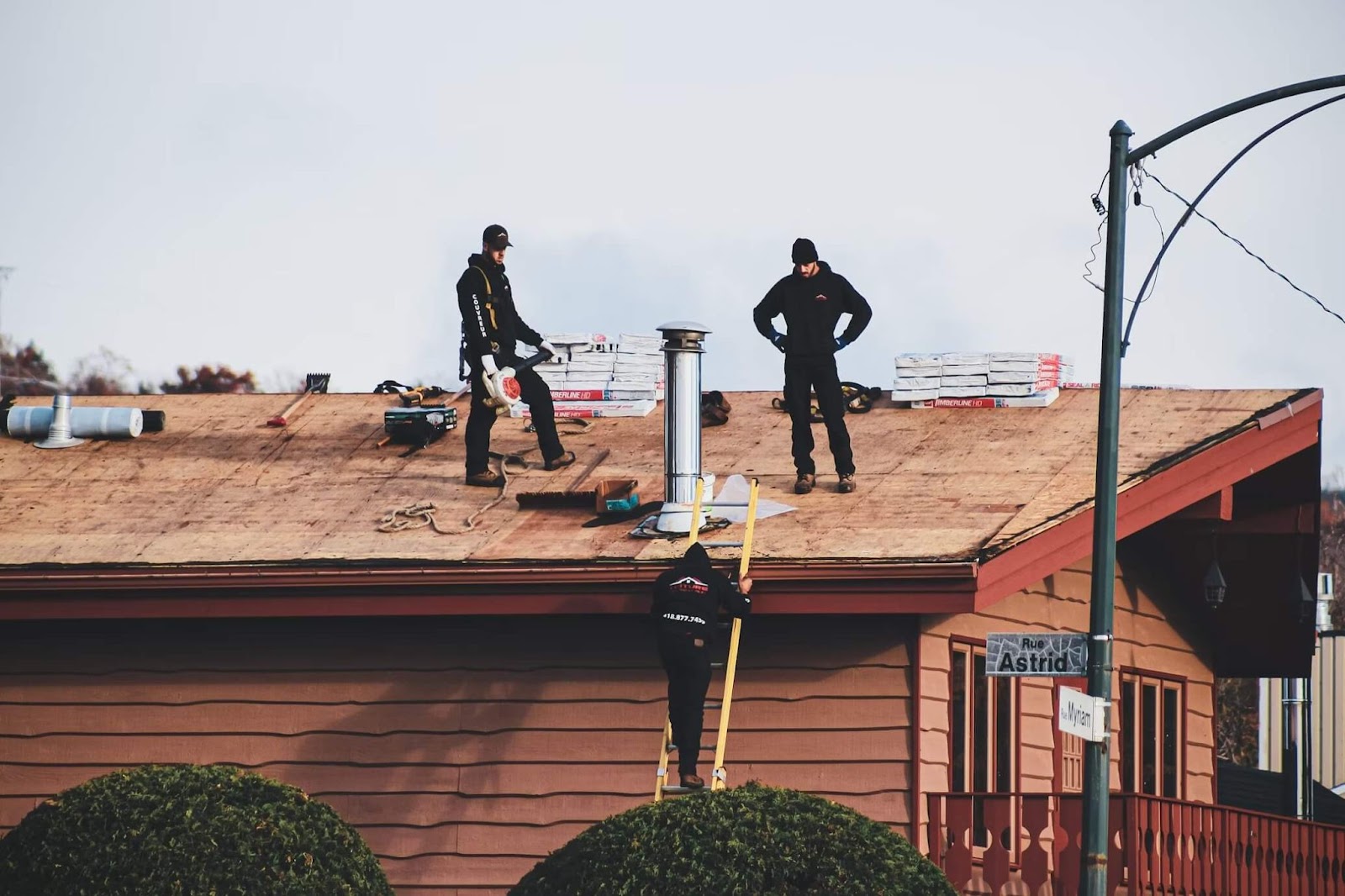
Three things to settle before a repair starts. First, how old the roof is – past about 20 years, money spent on repairs is often money that should go to a roof replacement. Second, whether the deck is sound, because that decides the price more than the repair itself. Third, what happens if the crew finds more than the quote covers: get that rate in writing before anyone gets on the roof.
Storm Damage
Storms can cause significant damage to roofs, such as knocking off shingles, tearing holes in flashing, and damaging other parts of the roof. This is particularly true for older roofs or those with pre-existing damage. Addressing storm damage promptly is crucial to prevent further issues. Make sure to inspect the roof constantly, especially after a storm. Missing or damaged shingles might indicate that your roof is in immediate need of repairing.
Wear and Tear
Normal wear is granule loss, a split pipe boot, lifted ridge cap and nail pops. A pipe boot is an hour and is the single commonest genuine leak source we find; nail pops are quick but tell you the deck is moving. These are the repairs roof maintenance is meant to catch before they become anything.
Improper Installation
Poor workmanship during installation can lead to problems that appear soon after the installation. Issues such as improperly driven nails or poorly done flashing can become evident only after the first heavy rain. These problems may require immediate attention to prevent further damage. Make sure to hire a professional roofing contractor for your roofing services.
Estimated Repair Times for Common Roof Issues
The severity of the repair, the skills of the person performing the repair, and other factors play significant roles in determining how long it will take. Here are some estimated times for common roof repairs:
Shingle Repair
A single cracked or missing shingle is about an hour on the roof. The honest caveat is matching: on a roof past 15 years the new shingle will be a visibly different colour from the weathered ones around it, because the granules have faded. We will tell you that before we do it rather than after.
Shingle repairs come after wind or on an older roof. Wind lifts tabs at the rakes and ridge first, so that is where we look. One caution worth stating: on a roof past 15 years the replacement shingles will not match the weathered ones, and if there are already two layers on the deck New Jersey Residential Code R908.3.1 means the next job is a tear-off, not a third layer.

Fixing a Roof Leak
Finding a leak takes longer than fixing it. Water runs along rafters and sheathing before it drops, so the wet patch on the ceiling is rarely under the hole. Once the source is found, most leak repairs are a few hours. If it is leaking now, 973-960-7921 is answered 24 hours a day from Rockaway and Flanders and we will make it dry before anyone talks about the permanent roof repair.
Reflashing Repair
Flashing is the metal at every junction – walls, chimney, skylights, valleys – and it is where most leaks actually start, not in the field of the roof. Reflashing a chimney is typically half a day. If someone quotes you for a roof and the flashing is not on the list, ask why: reusing old flashing is the most common corner cut in the trade.
Fixing a Sagging Roof
A sagging roof is the one repair on this page we will not put a time against without seeing it. Sagging means the structure is involved – rafters, ridge board or deck – and the fix ranges from sistering a couple of rafters to rebuilding a section. It is also the one defect on this list that is a safety issue rather than a water issue, so it gets looked at first.
Improving Attic and Roof Ventilation
Intake and exhaust vents are one to two days. It is worth doing on its own if the attic runs hot, and it is worth doing during a roof replacement whatever the attic does, because the deck is open and the ridge is already off – the same work costs a fraction of the standalone price.
Gutter Repair
Gutters are part of the roof in practice even though they are priced separately. A blocked gutter backs water up under the shingle course at the eaves and is the usual start of an ice dam, and a gutter pulling away takes the fascia with it. A clean is a couple of hours – see gutter cleaning – and gutter repair or soffit and fascia work follows if the boards behind have gone soft.
Factors That Influence Roof Repair Time
Several factors can affect how long roof repairs take, including:
- The Complexity of the Repair: Larger and more complex repairs naturally take longer. Simple tasks like replacing a few shingles are quicker than diagnosing and fixing a roof leak.
- Roof Accessibility: The easier it is to access the roof, the faster the repair. Obstacles like bushes, uneven ground, and sidewalks can slow the process.
- Roofing Material: Some materials are easier to work with than others. Composite shingles, for instance, are quicker to repair than metal shingles. Additionally, material availability can impact repair time.
- Property Size: Larger properties generally take longer to repair. While a small home’s roof might be fixed in two or three days, larger homes can take up to two weeks.
- Weather: Inclement weather like snow, hail, or rain can halt roof repairs. Extreme temperatures can also slow down the process.
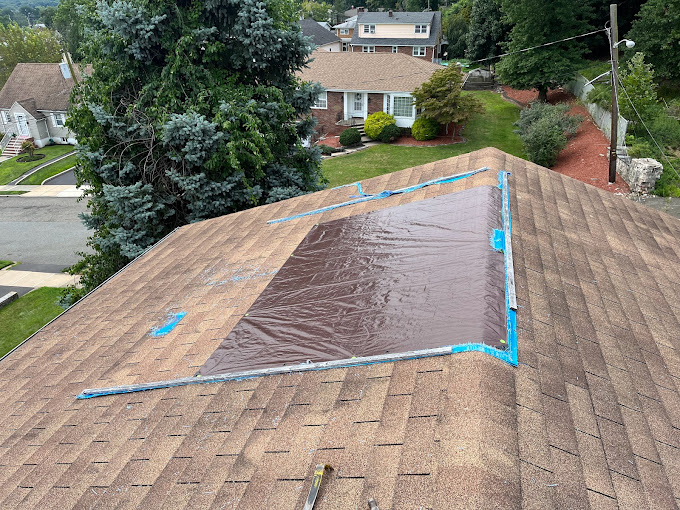
Choose Boundless Roof Repair & Replacement for Professional Roof Repairs
If you want a repair scheduled rather than estimated, call 973-960-7921. We give free written estimates, we state the deck-repair rate before we start, and the line is answered 24 hours a day from our Rockaway and Flanders offices. Boundless GC LLC has roofed New Jersey homes since 2012 and holds New Jersey Home Improvement Contractor registration #13VH10877700, which anyone can look up on the state licence register. We are a GAF Certified Contractor and an Owens Corning Preferred Contractor, BBB Accredited with an A+ rating, and carry general liability insurance at $1,000,000 per occurrence and $2,000,000 aggregate; the certificate goes out before work starts if you ask for it.


